AGP Executive Report
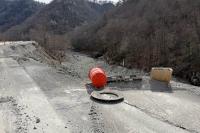
Last update: 5 hours agoCoastal Storm: A slow-moving nor’easter is driving flooding, erosion and dangerous surf along the Outer Banks. Overwash has closed NC 12 between the Basnight Bridge and Rodanthe, while Hatteras Island remains under evacuation orders. Helene Recovery: North Carolina will receive $873 million in federal funding to repair roads, bridges and other infrastructure damaged across western NC. Energy and Water: Environmental groups are appealing Davie County’s decision to allow two Duke Energy gas plants near the Yadkin River without rezoning or a special-use permit. Wildlife: Officials say 71 people have been charged this year with illegally harvesting ginseng in western NC, threatening wild populations. Coastal Planning: DEQ is seeking a contractor to update the state’s Beach and Inlet Management Plan, last revised in 2016, to guide future erosion, nourishment and storm-management decisions.
Note: AI summary from news headlines; neutral sources weighted more to help reduce bias in the result. Feedback is welcome. Please let us know if you have any comments or suggestions about the AGP Executive Report.
 Perspectify News